
Rachit Strategies: Winning Tactics for Home Poker Nights in 2026
Understanding Poker Basics
Poker is a game that has captivated players around the world for centuries, evolving through various formats and styles. Each variant of poker offers unique strategies, advantages, and challenges. Understanding the mechanics of the game, including the betting structure and the nuances of each variant, sets the foundation for becoming a strong player. When exploring options, https://rachit.in.net/ provides comprehensive insights that can enhance your game knowledge.
Introduction to Poker Variants
There are several popular poker variants, with Texas Hold’em and Omaha being the most played globally. In Texas Hold’em, players receive two private cards and share five community cards, aiming to make the best five-card hand. Omaha is similar but each player starts with four cards, leading to a more complex betting strategy due to the increased combinations and possibilities. Other variants like Seven Card Stud and Razz provide distinct betting styles and hand rankings that require a different set of strategies.
Essential Rules Every Player Should Know
In all poker games, understanding the basic rules is vital. Players take turns betting, checking, raising, or folding based on their hand strength. The rank of hands in poker—from high card down to royal flush—determines the winner at showdown. Furthermore, each variant has its specific betting rounds and player interactions, making it essential to familiarize oneself with the rules before participating in any game.
Understanding Poker Hands and Rankings
Familiarity with poker hand rankings is crucial for making strategic decisions during gameplay. The hierarchy of hands ranges from a simple high card to the formidable royal flush. Recognizing potential winning combinations will help players evaluate their odds and make informed betting choices. Additionally, many poker apps and online platforms illustrate hand strengths, which can be particularly useful for beginners.
Building a Winning Strategy
Having an effective strategy is essential for transforming casual play into a more profitable endeavor. Players must analyze various factors, such as their position at the table, which greatly influences strategic decisions.
Analyzing Opponents: Tells and Behaviors
Observing opponents at the poker table can provide valuable insights into their playing styles. Tells are subtle cues that signify the strength of a player’s hand. Experienced players know how to recognize these signs and use them to their advantage. Whether it’s a change in body language, betting patterns, or facial expressions, identifying tells can give players an edge in making critical decisions.
Bankroll Management Essentials for Players
Effective bankroll management is a cornerstone of long-term success in poker. Players should establish strict limits on how much they are willing to wager and adhere to these boundaries. Strategies like the “one percent rule”—never risking more than one percent of the bankroll in a single game—can help protect players’ funds, allowing them to withstand the inevitable fluctuations of luck intrinsic to poker.
Utilizing Position in Poker Games
Position is a decisive factor in poker, as it dictates when players act during a hand. Being “in position,” such as sitting last in the betting rounds, allows players to gather information and make more informed decisions. Conversely, acting early can require a more conservative strategy, as those players lack insight into their opponents’ actions.
Creating the Perfect Home Poker Atmosphere
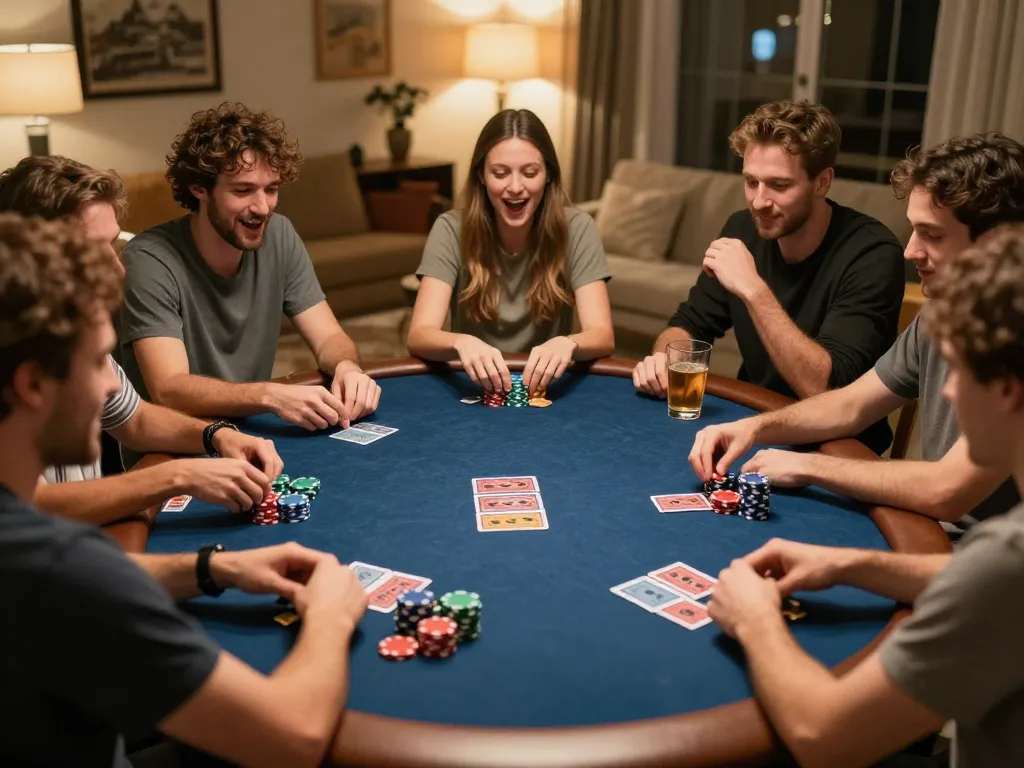
Playing poker at home can provide a relaxed environment that enhances the experience. Setting up the space adequately can make game nights more enjoyable and encourage a social atmosphere among friends.
Setting Up Your Gaming Space for Comfort
Comfort is key in creating an enjoyable poker atmosphere. Make sure seating is adequate and that players have enough room to move their cards and chips comfortably. Organizing the space with a clear playing area and good lighting will enhance visibility and reduce distractions.
Choosing the Right Snacks and Beverages
Snacks and beverages can elevate a poker night, especially if chosen carefully. Finger foods that are easy to manage while playing, such as chips, popcorn, or mini sandwiches, are ideal. Furthermore, providing a variety of beverages, including soft drinks, beer, and perhaps a signature cocktail, can keep the mood lively.
Music and Lighting for an Enhanced Experience
Background music can set the tone for an enjoyable evening, but it should be kept at a manageable volume to allow for conversation and concentration. Soft jazz or instrumental tunes often work best. Proper lighting also plays an important role; avoiding harsh overhead lights in favor of soft, focused lighting improves comfort and visibility at the table.
Advanced Poker Strategies for Experienced Players
As players grow more adept at poker, advancing their strategies is crucial for continued success. Utilizing complex tactics can significantly increase a player’s edge.
Bluffing Techniques and When to Use Them
Bluffing is an integral part of poker but requires careful execution. Successful bluffing depends on the context of the hand, reading opponents accurately, and considering one’s table image. Knowing when an opponent is likely to fold based on their behavior or the betting patterns can determine when to effectively employ a bluff.
Adjusting Strategies Based on Opponents
Adapting one’s strategy according to the dynamics of the table can be the difference between winning and losing. Understanding whether opponents are tight or loose players can help in deciding whether to adopt a conservative or aggressive approach.
Handling Variance and Emotional Control
Emotion can drastically impact a player’s decision-making process. Implementing emotional control techniques—like taking a break after a bad beat or setting clear goals—can help maintain focus and prevent “tilt,” which might lead to reckless play.
Frequently Asked Questions About Home Poker
What is the Ideal Number of Players?
The ideal number of players for a home poker game typically ranges from 6 to 10. This allows for a lively game without overcrowding the playing area, ensuring everyone can comfortably participate.
How to Handle Disputes During Games?
Disputes can arise during games, especially in informal settings. It’s vital to establish clear rules before starting and appoint a designated ‘dealer’ or ‘host’ to resolve any issues that may arise during gameplay.
Legal Considerations for Home Gambling Events
When hosting a home poker game, it’s important to understand local laws regarding gambling. Many regions have specific regulations that govern social gambling, so players should ensure compliance to avoid legal complications.